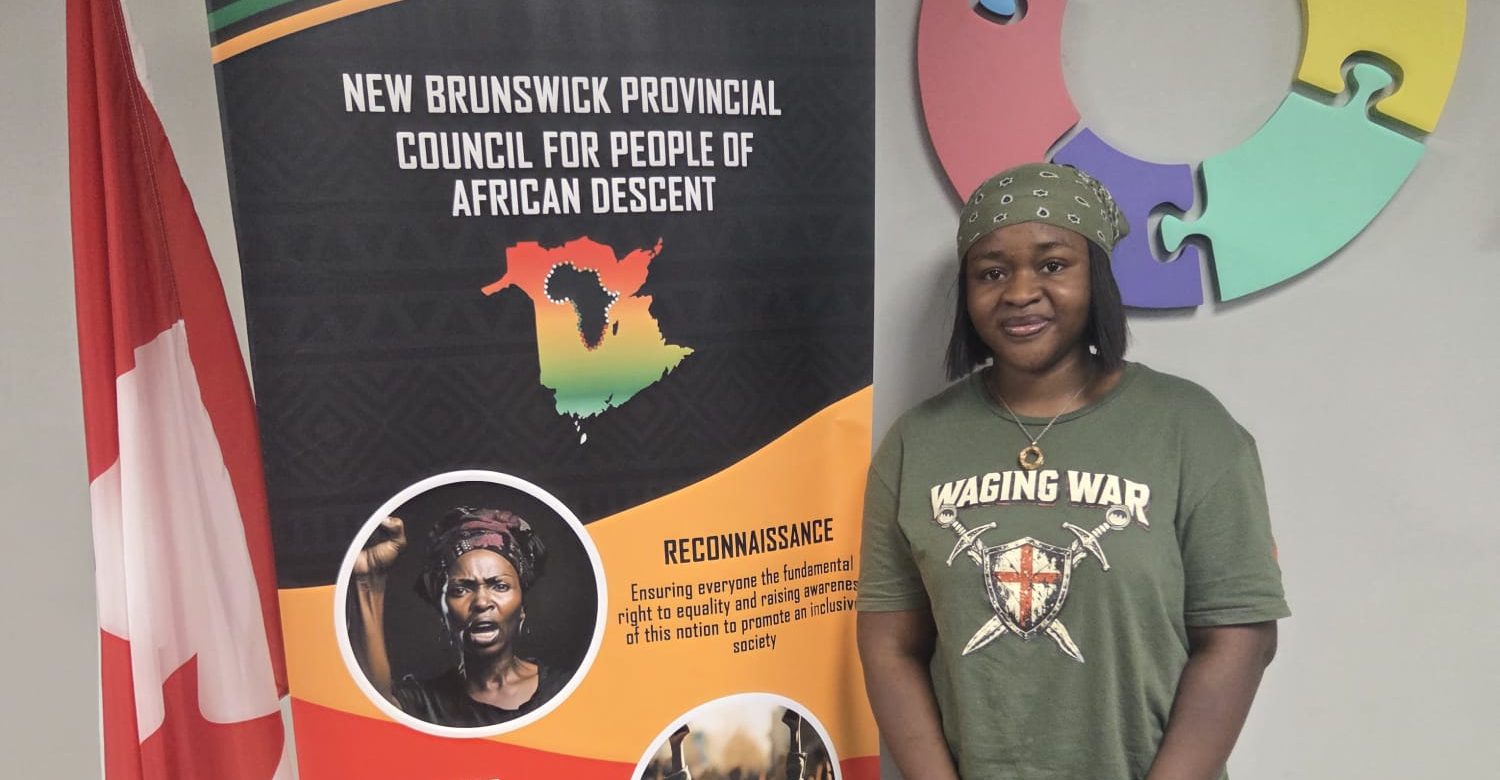
Representing BBPN at New Brunswick’s Provincial Consultation for the International Decade for People of African Descent
By Oreoluwa Orokotan
Education & Community Outreach Program Assistant
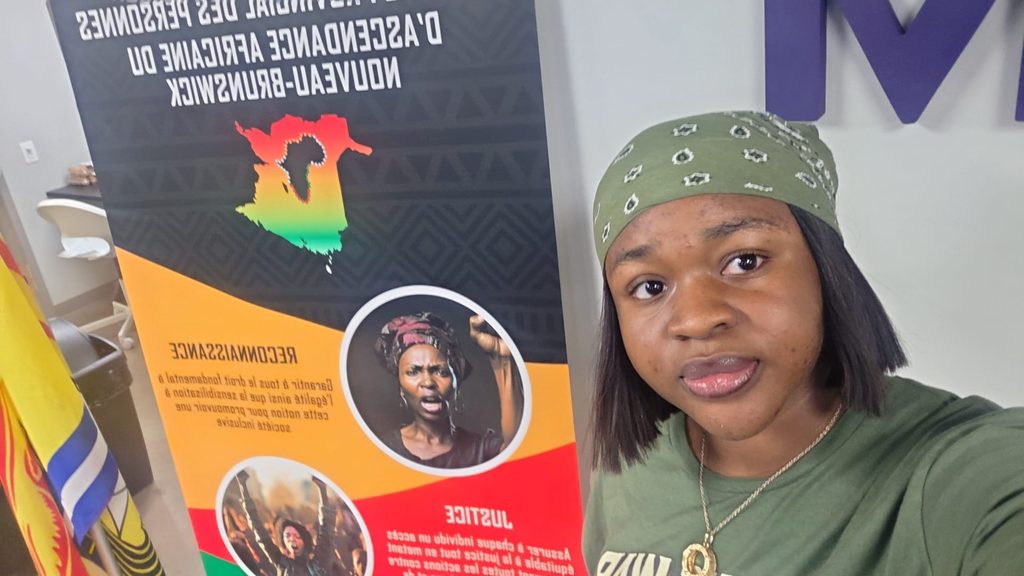
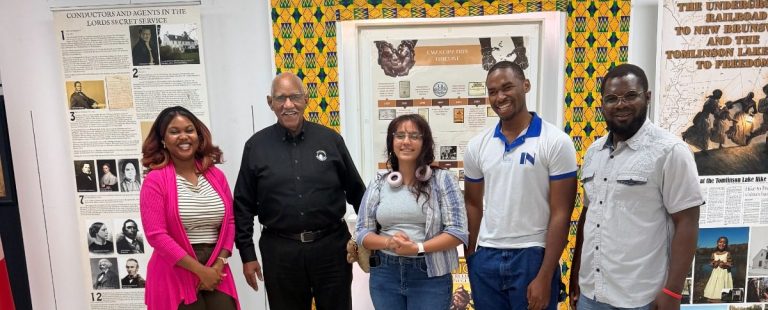
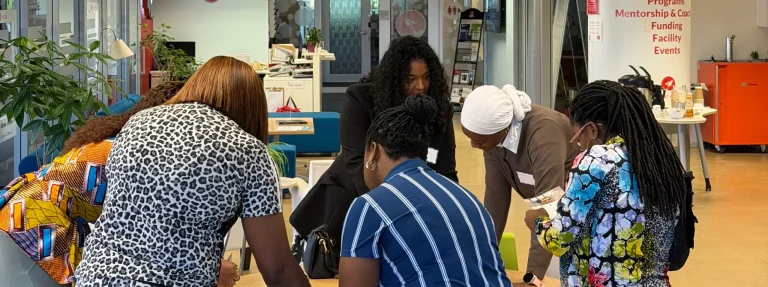
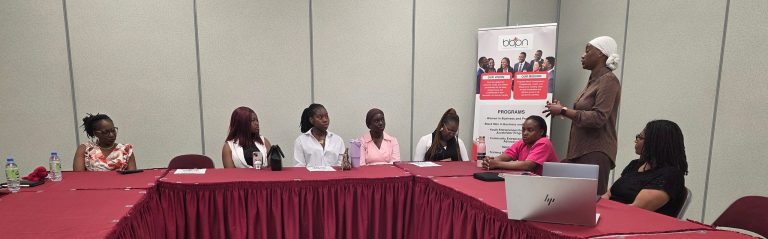
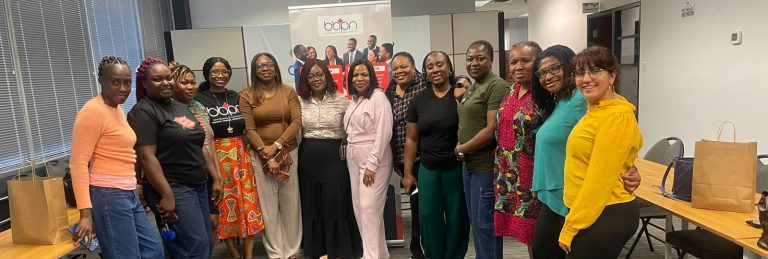
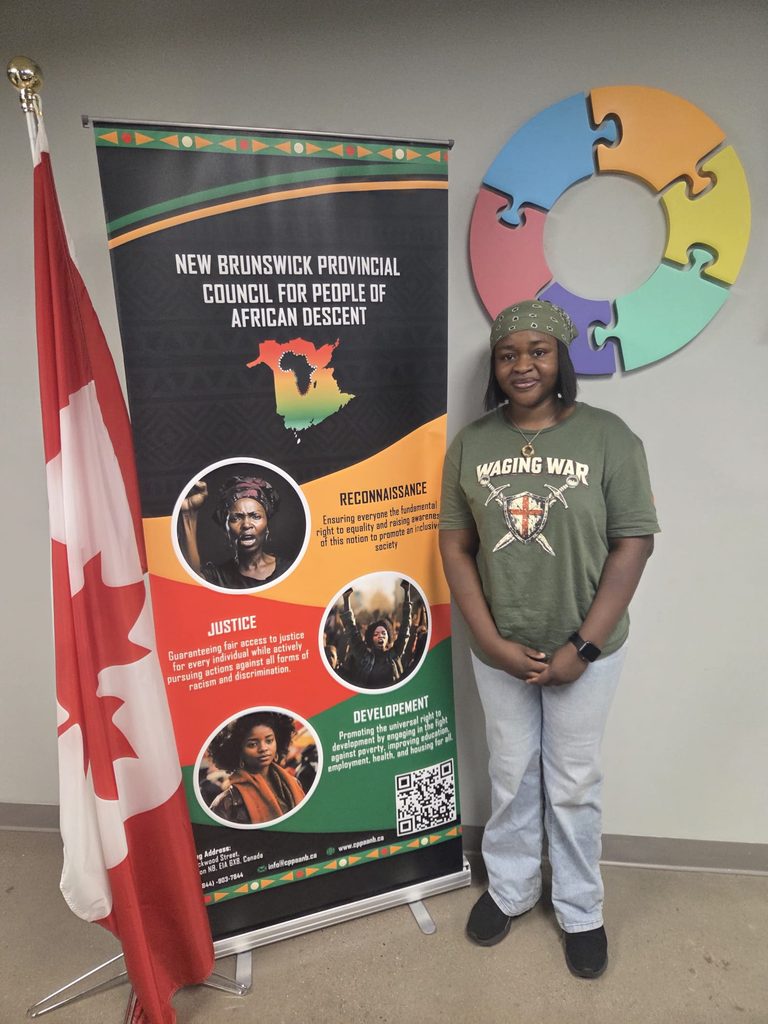
This summer, BBPN was in the room where New Brunswick’s Black community is helping shape real policy change. On July 25, our Program Assistant Oreoluwa Orokotan represented BBPN on behalf of Dr. Ovunda Green at the Provincial Consultation Meeting in Moncton, organized by the New Brunswick Provincial Council for People of African Descent (NBPCPAD) in partnership with MAGMA. The goal was to gather community recommendations for New Brunswick’s very first Community Action Plan for the Second International Decade for People of African Descent (2025 to 2034).
Recognition, Justice, Development
The consultation was built around the Decade’s three pillars: Recognition, Justice, and Development. It brought together educators, entrepreneurs, government representatives, youth, and community leaders from across the province. Mrs. Philomène Zanguil, Founder and CEO of the Provincial Council, opened with remarks on the newly recognized International Day of Women and Girls of African Descent, explaining why Black women continue to need dedicated recognition given the unique barriers they face in leadership, employment, and public life.
Oreoluwa introduced herself as a representative of BBPN and shared a personal reflection from her own high school experience: being the only Black student in her English class, with no Black teachers on staff. It’s a small story, but it echoed one of the day’s biggest themes.
What the Community Is Asking For
Across small group discussions, a few themes kept coming up.
- Representation matters. Participants pointed to the shortage of Black teachers, administrators, and visible leaders, and how that shortage makes it harder for young people to picture themselves in those roles.
- Racism often hides in plain sight. Several attendees described discrimination dressed up as compliments and called for more public education to help people recognize it.
- Data builds power. One of the strongest recommendations was a secure, confidential database where community members could report racism and discrimination, because without reliable data, it’s hard to prove the scale of the problem or move policy.
- Unity takes infrastructure. Participants want a province wide contact network to connect Black organizations and share resources more effectively.
- Mental health needs culturally competent care. Many families are raised not to talk about emotional struggles, and attendees called for more therapists and safe spaces that understand Black cultural experiences.
- Economic development is community development. Ideas ranged from stronger Black business networks and mentorship pipelines to a future African Chamber of Commerce for New Brunswick.
Why It Matters to BBPN
The consultation’s recommendations, from more Black educators to anonymous reporting systems, better mental health access, and stronger support for Black entrepreneurs, line up closely with the work BBPN does every day. As Oreoluwa put it in her reflection afterward, the conversation on education representation reinforced the importance of creating environments where young people can see themselves represented in education, leadership, and professional careers.
Representing BBPN at this consultation was an honour, and it’s exactly the kind of table we want to keep showing up to, because New Brunswick’s first Community Action Plan for the Second International Decade for People of African Descent will only be as strong as the voices that built it.
Want to be part of the conversation shaping New Brunswick’s Black community? Learn more about BBPN’s programs and get involved.